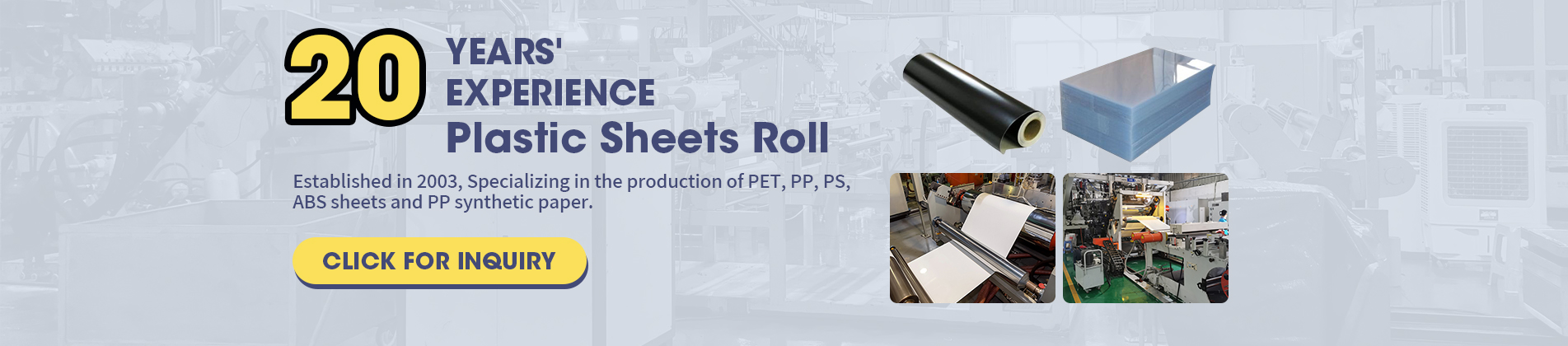
Новичкам в вакуумной и термоформовке, вероятно, будет сложно разобраться в терминах «пластиковый лист HIPS», «лист PS» и «лист полистирола» — все они обозначают один и тот же материал: ударопрочный полистирол (HIPS). Имея более чем 20-летний опыт работы в этой области, мы ответили на распространенные вопросы новичков и объяснили основные понятия, касающиеся листов HIPS, простыми словами, чтобы помочь вам быстро освоиться и понять, почему это предпочтительный материал для этих двух процессов формования.
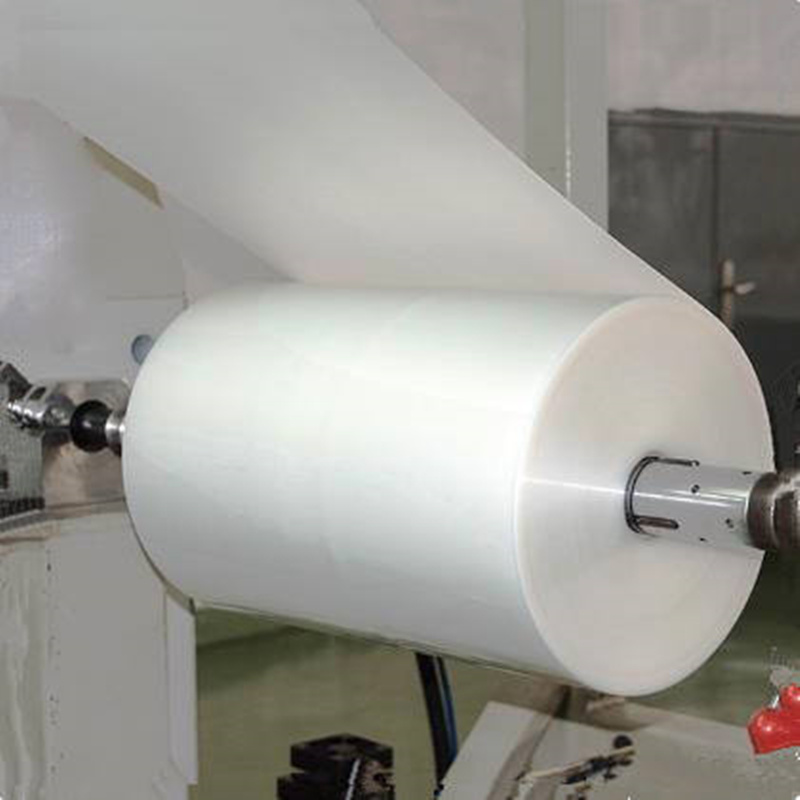
I. Разъяснение путаницы: три названия, один материал
Наиболее распространенное заблуждение среди новичков — это зацикливание на различиях между этими тремя терминами. Нет необходимости в сложном запоминании; все можно сформулировать одним предложением: по сути, это одно и то же, просто разные названия используются в разных контекстах.
HIPS — это аббревиатура от High-Simpt Polystyrene (ударопрочный полистирол). Он создан на основе обычного полистирола, модифицированного частицами каучука, что устраняет недостатки обычного полистирола, связанные с его хрупкостью и легкостью растрескивания, делая его прочным и простым в обработке. Это основная причина, по которой он подходит для вакуумной/термоформовки.
Различия между тремя названиями заключаются исключительно в ударении:
- Листовой пластик HIPS: наиболее распространенное название, прямо указывающее на его основное преимущество — «высокую ударопрочность» и форму листа;
- Лист PS: Сокращение от "полистироловый лист", широко используется в повседневной речи и по умолчанию относится к HIPS (обычные листы полистирола слишком хрупкие и почти никогда не используются в процессах формования);
- Лист полистирола: общий термин, но в контексте вакуумной/термоформовки он конкретно относится к листу HIPS.
Короче говоря, какое бы название вы ни услышали, вы не ошибетесь — это формовочный материал, наиболее подходящий для начинающих, что подтверждено более чем 20-летним опытом.
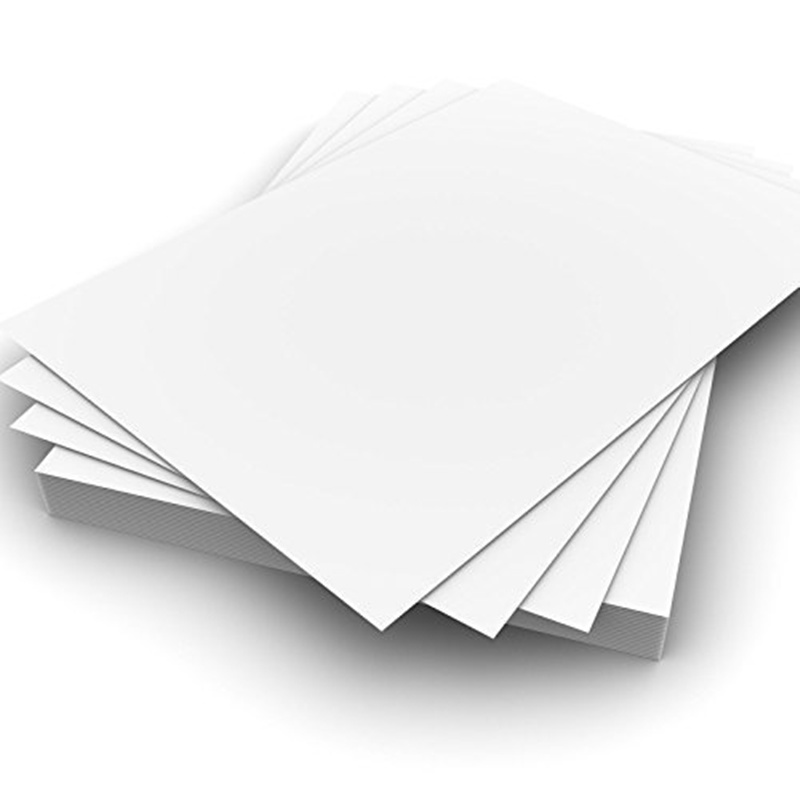
II. Основные преимущества: почему? Лист HIPS Лучший выбор для начинающих? Для начинающих основными требованиями к выбору материала являются «легкость обработки, низкая стоимость и долговечность», и листы HIPS идеально соответствуют этим критериям. Именно поэтому он стал основным материалом для вакуумной/термоформовки. Его конкретные преимущества заключаются в следующем (легко запомнить, не нужно запоминать сложные параметры):
- Легко формуется, подходит даже для новичков: равномерно размягчается при нагревании до 150-175°C и быстро застывает после охлаждения. Легко адаптируется даже к сложным формам. Не рвется и не деформируется, обладает высокой устойчивостью к ошибкам.
- Ударопрочные, долговечные готовые изделия: В отличие от обычного полистирола, HIPS выдерживает падения и удары. Изделия из него (например, подносы для еды и игрушки) не склонны к растрескиванию, что исключает необходимость многократной доработки.
- Высокая экономическая эффективность, подходит для экспериментов начинающих: это один из самых экономичных термопластичных листов. Крупномасштабное производство нерентабельно, а мелкосерийное пробное производство также оправдано, поскольку позволяет сбалансировать качество и бюджет.
- Возможность индивидуальной настройки и адаптации к различным сценариям: доступны различные цвета и толщины, поверхность может быть матовой или глянцевой, а также может быть окрашена и покрыта печатью, удовлетворяя различные потребности без дополнительной сложной обработки.
- Безопасность и стабильность: пищевой HIPS не имеет вкуса и запаха, подходит для прямого контакта с пищевыми продуктами; низкое влагопоглощение предотвращает деформацию и усадку после формования, обеспечивая неизменно высокое качество продукции.
III. Простое объяснение: лист PS Подходит для вакуумной и термоформовки. Новичкам не нужно беспокоиться о сложных различиях между «вакуумной формовкой» и «термоформовкой». Помните основную логику: оба процесса включают «нагрев для размягчения → формование → охлаждение для затвердевания», и характеристики листов HIPS идеально подходят для обоих процессов. Новички могут выбирать в зависимости от потребностей продукта.
1. Вакуумное формование (подходит для простых/средних форм, массового производства). Процесс очень прост и понятен даже новичкам:
1. Нагрев: Закрепите лист HIPS на раме и нагревайте его в печи до тех пор, пока он не станет мягким и податливым;
2. Формование: Поместите размягченный лист на форму, удалите воздух и с помощью вакуума прочно приклейте лист к форме;
3. Охлаждение и обрезка: После охлаждения и затвердевания обрежьте излишки материала, и готовое изделие готово.
Лист полистирола Они обладают идеальным балансом гибкости и жесткости, позволяя им растягиваться и принимать форму форм, оставаясь при этом прочными и не деформируясь обратно, что делает их идеальными для торговых стеллажей, подносов для еды и других подобных изделий.
2. Термоформование (подходит для сложных форм и высокоточных требований) Термоформование — это широкое понятие, включающее вакуумное формование и использование дополнительного давления для придания формы. Это позволяет более точно контролировать детали и толщину, что делает его подходящим для сложных деталей.
Листы HIPS обладают равномерной толщиной и стабильными характеристиками после нагрева, сохраняя свою целостность как при изготовлении толстостенных промышленных деталей, так и при производстве тонкой прецизионной упаковки. Они подходят как для мелкосерийного прототипирования, так и для крупномасштабного производства.
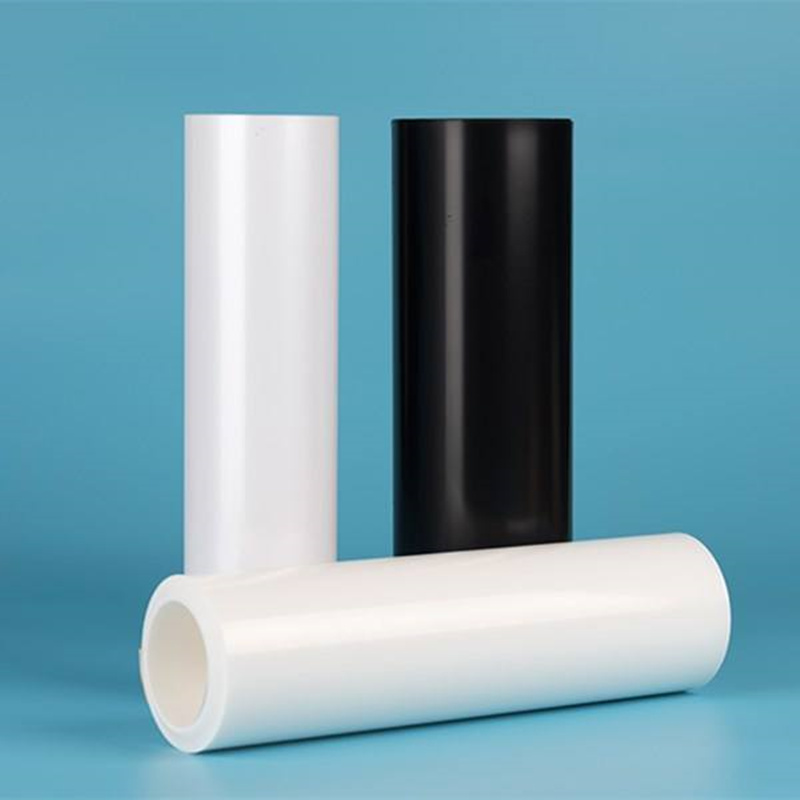
IV. Типичные приложения: основные сценарии для начинающих
Запоминать области применения плат HIPS не нужно. Сосредоточьтесь на тех областях, с которыми новички часто сталкиваются; почти все из них применимы:
- Упаковка для пищевых продуктов: одноразовые лотки, контейнеры для продуктов (безопасные и гигиеничные, легко формуются);
- Оформление торговых помещений: ценники, стеллажи для демонстрации товаров (с возможностью печати, различных форм);
- Игрушки/Мелкая бытовая техника: детали игрушек, корпуса бытовой техники (ударьивные, прочные);
- Медицина/Электроника: Упаковка медицинских изделий, лотки для электронных компонентов (с возможностью индивидуальной настройки, антистатические, безопасные и надежные);
- Промышленность/Автомобильная промышленность: детали интерьера, защитные кожухи (легкие, прочные, недорогие).
V. Выбор для начинающих: Почему стоит выбрать наши платы HIPS?
Для начинающих выбор правильного поставщика важнее, чем выбор правильных материалов — мы более 20 лет специализируемся на производстве печатных плат из HIPS, помогая новичкам избегать ошибок на протяжении всего процесса. Наши основные преимущества разработаны с учетом потребностей начинающих:
- Обширный опыт, минимум доработок: Владение технологиями производства печатных плат из HIPS, обеспечение стабильной толщины, ударопрочности и формуемости, предотвращение переделок из-за проблем с материалами;
- Возможность индивидуальной настройки и адаптации к потребностям: независимо от того, производите ли вы пищевую упаковку (пищевого качества), электронные компоненты (антистатические) или вам требуются определенные цвета или толщина, мы можем изготовить продукцию на заказ;
- Стабильное качество, высокая экономическая эффективность: строгий контроль качества, использование высококачественного сырья и конкурентоспособные цены помогают начинающим производителям приобретать надежные материалы в рамках своего бюджета;
- Полная поддержка, никаких забот для новичков: от выбора материалов до техник формования, мы предоставляем всестороннюю помощь, чтобы вы могли быстро начать работу, не разбираясь во всем самостоятельно.
И ещё один совет для начинающих: если вы новичок в вакуумной/термоформовке, не стоит слепо браться за сложные материалы. Плиты из HIPS (полистирола) — самый безопасный выбор: они просты в обработке, недороги и универсальны, что поможет вам быстро перейти от «новичка» к «эксперту».
Наш более чем 20-летний опыт — ваша надежная поддержка. Независимо от того, начинаете ли вы экспериментировать или готовитесь к массовому производству, обращайтесь к нам в любое время, если у вас возникнет необходимость. Мы поможем вам выбрать подходящую доску, обеспечим успешное формование и избежим ненужных сложностей!
XIAMEN FULLSTAR IMP.& EXP. TRADING CO.,LTD.


 сеть ipv6 поддерживается
 отсканировать в Wechat :

 fullstar@xmfullstar.com
 ru
ru en
en es
es