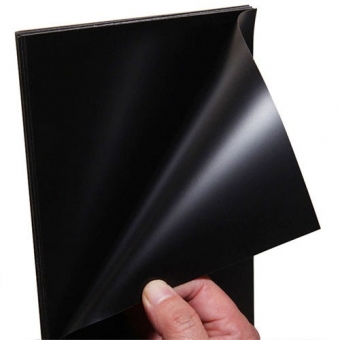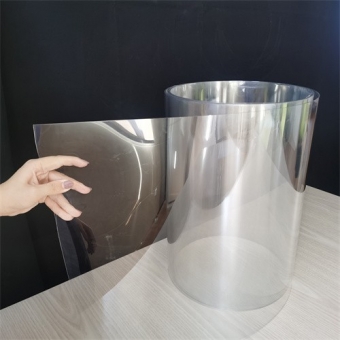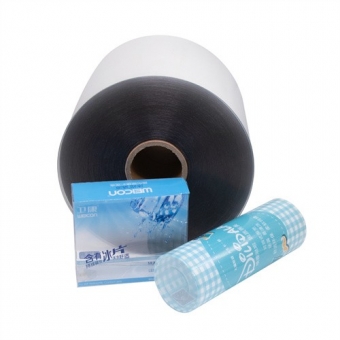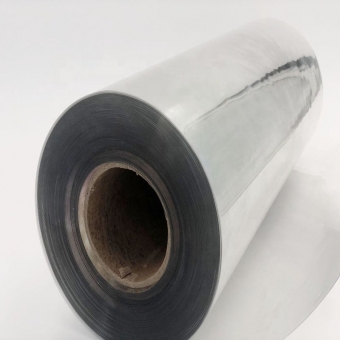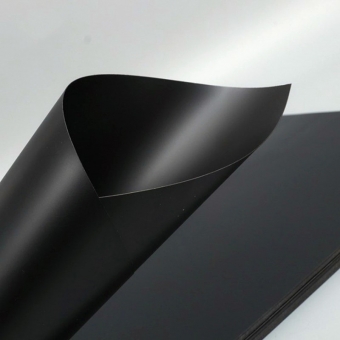
В 2026 году глобальный сектор пищевой промышленности предъявляет беспрецедентные требования к эффективности и экологичности поставщикам упаковки. Сегодня биологическая и химическая деградация представляет собой постоянную угрозу для свежего мяса, птицы, морепродуктов и готовых блюд. Воздействие кислорода быстро запускает окисление липидов, что приводит к быстрому прогорканию, появлению неприятных запахов и значительной потере необходимых питательных веществ. Кроме того, аэробные микроорганизмы процветают в богатой кислородом среде, ускоряя процессы разложения и ставя под угрозу безопасность потребителей. Традиционные методы консервации продуктов питания часто в значительной степени полагались на химические добавки или искусственные консерванты для продления срока годности. Однако современные потребители все чаще требуют продуктов с «чистой этикеткой», содержащих натуральные ингредиенты и минимальное количество синтетических добавок. Чтобы удовлетворить эти меняющиеся рыночные предпочтения, инженеры-упаковщики должны использовать превосходные физические барьеры для изоляции деликатных продуктов от окружающей атмосферы. Выбирая высококачественную упаковку,Сертифицированный полипропиленовый барьерный лист EVOH производства Китая.Благодаря этой передовой технологии упаковки продуктов питания, производители могут создавать исключительные газовые барьеры для сохранения свежести продуктов. Она формирует тщательно контролируемую, защитную микросреду внутри лотка или пленки. В результате, срок хранения скоропортящихся продуктов продлевается без изменения их естественного вкуса, текстуры или внешнего вида. По мере перехода международных рынков к устойчивым методам хранения, физические барьерные пленки представляют собой будущее логистики продуктов питания. Защита свежих продуктов от газов окружающей среды перестала быть необязательной и стала фундаментальным требованием отрасли.

Чтобы понять, как усовершенствованная многослойная упаковка предотвращает окисление, необходимо изучить полимерную химию этиленвинилового спирта, широко известного как EVOH. Этот сополимер состоит из полимеризованных звеньев этилена и винилового спирта, сочетающих в себе превосходную обрабатываемость в расплаве с исключительными газобарьерными свойствами. На молекулярном уровне высокополярные сегменты винилового спирта образуют чрезвычайно прочные, когезивные водородные связи. Эти мощные межмолекулярные силы создают плотную, высококристаллическую полимерную матрицу. Когда молекулы кислорода пытаются проникнуть в эту кристаллическую структуру, они сталкиваются с очень извилистым путем. Этот физический лабиринт замедляет диффузию газа до незначительной скорости, практически блокируя проникновение кислорода в пищевую упаковку. Однако EVOH обладает уникальной термодинамической уязвимостью, которую инженеры должны учитывать при проектировании. Из-за своих полярных гидроксильных групп EVOH обладает высоким сродством к молекулам воды. При воздействии высокой влажности влага легко проникает в полимерную матрицу и нарушает межмолекулярные водородные связи. Это набухание увеличивает молекулярную подвижность и значительно ухудшает кислородобарьерные свойства. Следовательно, дизайнеры упаковки не могут использовать EVOH в качестве самостоятельного монослоя во влажных или охлажденных пищевых средах. Для защиты его структурной целостности инженеры должны поместить слой EVOH между защитными гидрофобными полимерными барьерами. Такое стратегическое размещение гарантирует, что основной барьерный слой останется сухим и высокоэффективным в сложных условиях транспортировки.
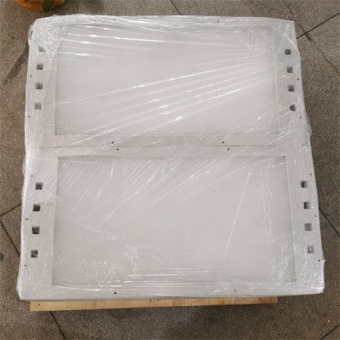
Для преодоления чувствительности EVOH к влаге, передовые производители используют технологию соэкструзии для создания симметричной пятислойной листовой структуры. Эта сложная конфигурация размещает барьер из EVOH в центре, окруженный защитными клеевыми слоями и прочными внешними полимерами. Внешние слои состоят из полипропилена (ПП), который обладает превосходными гидрофобными свойствами и высокой структурной жесткостью. Полипропилен действует как превосходный экран против проникновения водяного пара, сохраняя внутренний слой EVOH полностью сухим. Таким образом, внутренний сердечник из EVOH сохраняет свою максимальную газобарьерную эффективность даже при хранении продуктов с высокой влажностью, таких как свежая птица. Однако сочетание полярного EVOH с неполярным ПП требует специальных решений по химической совместимости. Поскольку эти полимеры не образуют естественных связей, линии соэкструзии должны вводить между ними тонкие клеевые связующие слои. Эти модифицированные полиолефиновые смолы химически связываются как с ПП, так и с EVOH, предотвращая расслоение во время последующей обработки. Расслоение является критической точкой отказа во время вторичных операций, таких как высокотемпературное термоформование или вакуумная герметизация. Если слои разделятся, структурная целостность контейнера нарушится, и кислород немедленно проникнет внутрь упаковки. Оптимизируя состав клея и температуру экструзии, производители обеспечивают прочное механическое соединение. Эта механическая когезия позволяетПП ЭВОХ ПП упаковочная пленка чтобы выдерживать термоформование методом глубокой вытяжки, не теряя своих барьерных свойств. Следовательно, производители продуктов питания получают прочный упаковочный материал, который надежно работает в условиях экстремальных физических нагрузок.
Специалисты по материаловедению оценивают барьерные свойства, используя два основных показателя: скорость пропускания кислорода (OTR) и скорость пропускания водяного пара (WVTR). Измерение этих показателей дает четкие эмпирические доказательства превосходства многослойных соэкструдированных листов над традиционными вариантами упаковки. Например, стандартные однослойные листы из полипропилена (PP) демонстрируют относительно высокие значения OTR, часто превышающие сто кубических сантиметров на квадратный метр в сутки. Эта высокая скорость позволяет кислороду быстро проникать в упаковку, ограничивая срок хранения свежего мяса всего несколькими днями. В отличие от этого, высокобарьерный лист PP/EVOH/PP снижает OTR до менее чем двух кубических сантиметров. Это представляет собой невероятное снижение газопроницаемости, защищая продукты от окислительной деградации. Аналогично, внешние слои PP поддерживают WVTR на чрезвычайно низком уровне, предотвращая обезвоживание продукта и потерю веса. В реальных условиях эти научно обоснованные барьерные свойства напрямую приводят к увеличению срока хранения. Свежая говядина, которая обычно портится в течение четырех дней в стандартной упаковке, может сохранять свежесть до четырнадцати дней в условиях модифицированной атмосферы. Кроме того, морепродукты выигрывают от более длительной стабильности цвета и замедленного роста бактерий. Для розничных продавцов эти количественные улучшения сокращают количество отходов в магазинах, оптимизируют управление запасами и расширяют географические границы дистрибуции.

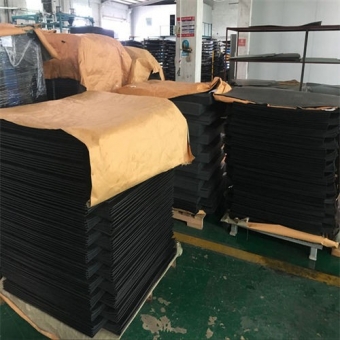
Для преобразования передовых достижений полимерной науки в надежные коммерческие продукты требуется исключительный производственный опыт и строгий контроль качества. На мировом рынке упаковки...Fullstar (Xiamen Fullstar Imp.&Exp.Trading Co.,Ltd.) Компания является ведущим производителем высокобарьерных материалов. Предприятие располагает современными многослойными линиями соэкструзии, обеспечивающими точный контроль толщины слоев. Равномерное распределение барьерного слоя EVOH по всей поверхности листа имеет решающее значение для надежной защиты. Даже крошечный тонкий участок может поставить под угрозу всю упаковку и привести к локальной порче продуктов. Для предотвращения этого Fullstar использует передовые автоматизированные системы сканирования для мониторинга толщины листа в режиме реального времени. Кроме того, Xiamen Fullstar Imp.&Exp.Trading Co.,Ltd. производит материалы, полностью соответствующие строгим международным стандартам безопасности пищевых продуктов, включая стандарты FDA и BRC. Чистые производственные помещения и протоколы отслеживания сырья гарантируют отсутствие проникновения вредных веществ в пищевые продукты. В дополнение к стандартным спецификациям, техническая команда компании разрабатывает индивидуальные барьерные составы для удовлетворения конкретных потребностей клиентов. Например, некоторые продукты требуют более высокой термостойкости для стерилизации в автоклаве, в то время как другие нуждаются в максимальной прозрачности для розничной продажи. Путем регулирования соотношения полимеров техническая команда оптимизирует физические характеристики для различных применений. В конечном итоге, эта инженерная точность позволяет мировым производителям продуктов питания поставлять потребителям безопасную и высококачественную продукцию. Благодаря этим непрерывным технологическим инновациям, глобальный поставщик остается надежным партнером в области современной устойчивой логистики продуктов питания. Узнайте больше об этих передовых соэкструдированных барьерных листах и ознакомьтесь с полной линейкой продукции на официальном корпоративном сайте:https://www.fullstarxm.com/.
XIAMEN FULLSTAR IMP.& EXP. TRADING CO.,LTD.


 сеть ipv6 поддерживается
 отсканировать в Wechat :

 fullstar@xmfullstar.com
 ru
ru en
en es
es